VALIDATION WORKSHOP
MARSABIT TOWN, MARSABIT COUNTY
23rd August 2025
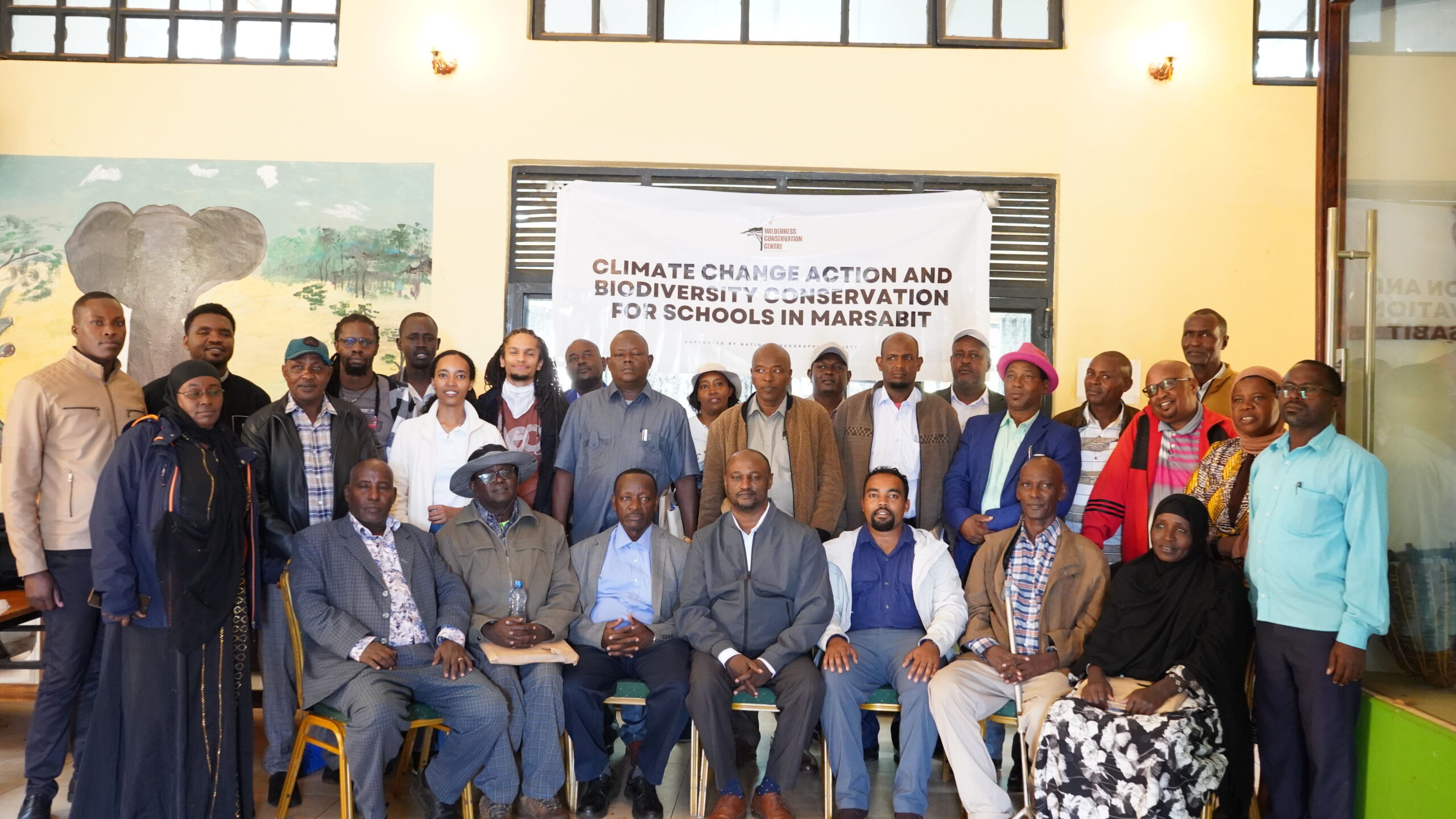
The Wilderness Conservation Centre hosted an engaging validation workshop on 23rd August 2025, aimed at refining an innovative conservation education curriculum. This initiative was a collaborative effort involving educators from 13 schools across Marsabit County, all dedicated to enhancing climate education in the region.
The workshop was a key element of a broader stakeholder engagement cycle that commenced with a consultative forum. This gathering brought together educators, government agencies, and policymakers within Marsabit County to discuss the development of a Climate Change and Biodiversity curriculum tailored for non-formal learning. The overarching goal was to seamlessly integrate climate education into informal and non-formal activities for upper primary and junior secondary students.
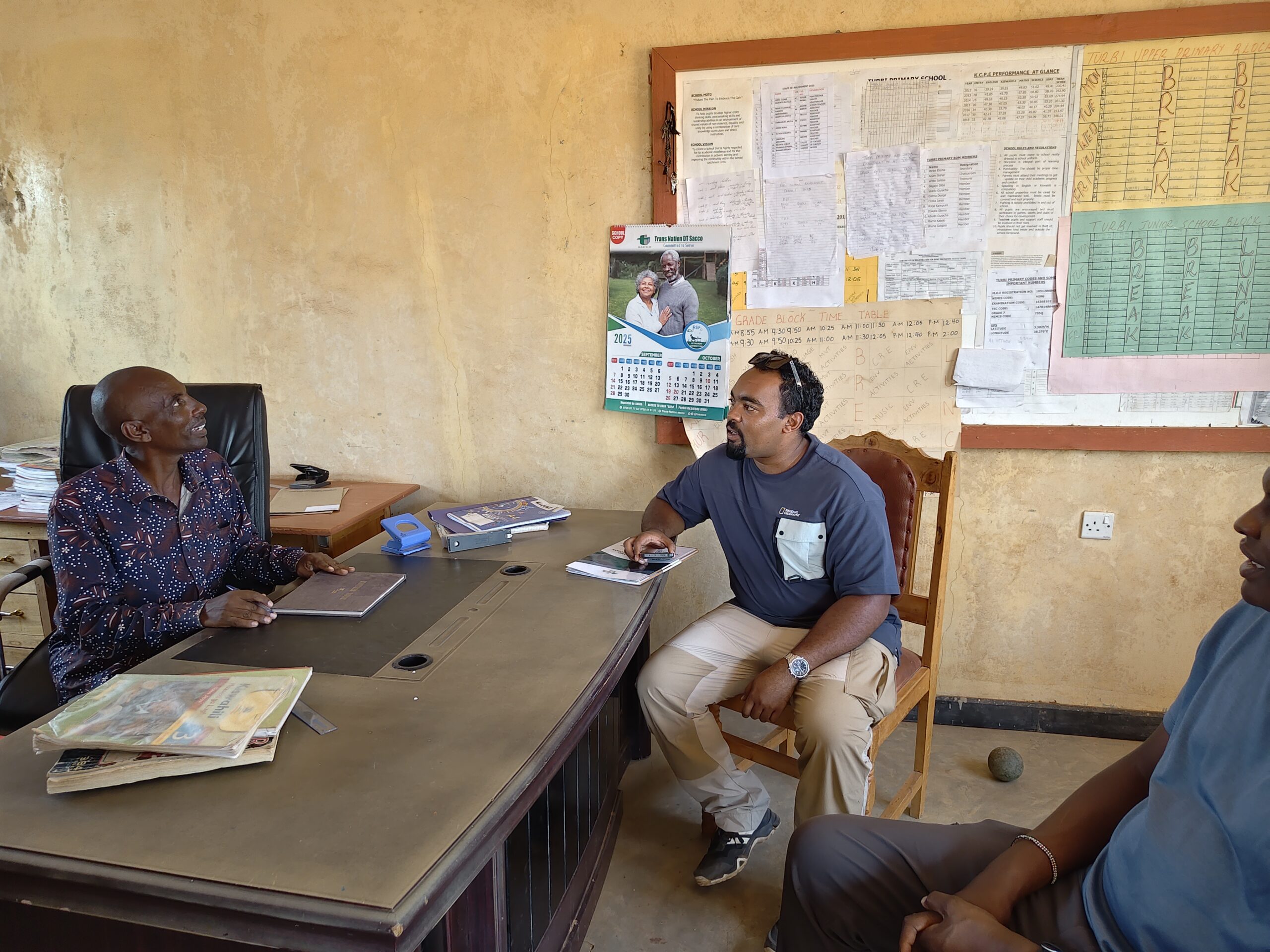
To inform the curriculum’s development, a series of mixed stakeholder engagement strategies were employed. These included Key Informant Interviews (KIIs) with 20 stakeholders from the government and education sectors, as well as Focus Group Discussions (FGDs) with teachers and students across 11 schools. The results revealed a moderate level of preparedness among educators to teach climate change. However, they also highlighted significant challenges, such as a lack of structured teaching methods, limited resources, and inadequate training in climate change and biodiversity conservation.
Armed with these insights, the Wilderness Conservation Centre crafted the first draft of the curriculum for primary and junior secondary schools. This draft underwent a comprehensive review by a dedicated curriculum review committee, which included WCC consultants, teachers, and representatives from the Kenya Wildlife Service. Their constructive feedback was meticulously integrated into the final draft, setting the stage for the validation workshop.
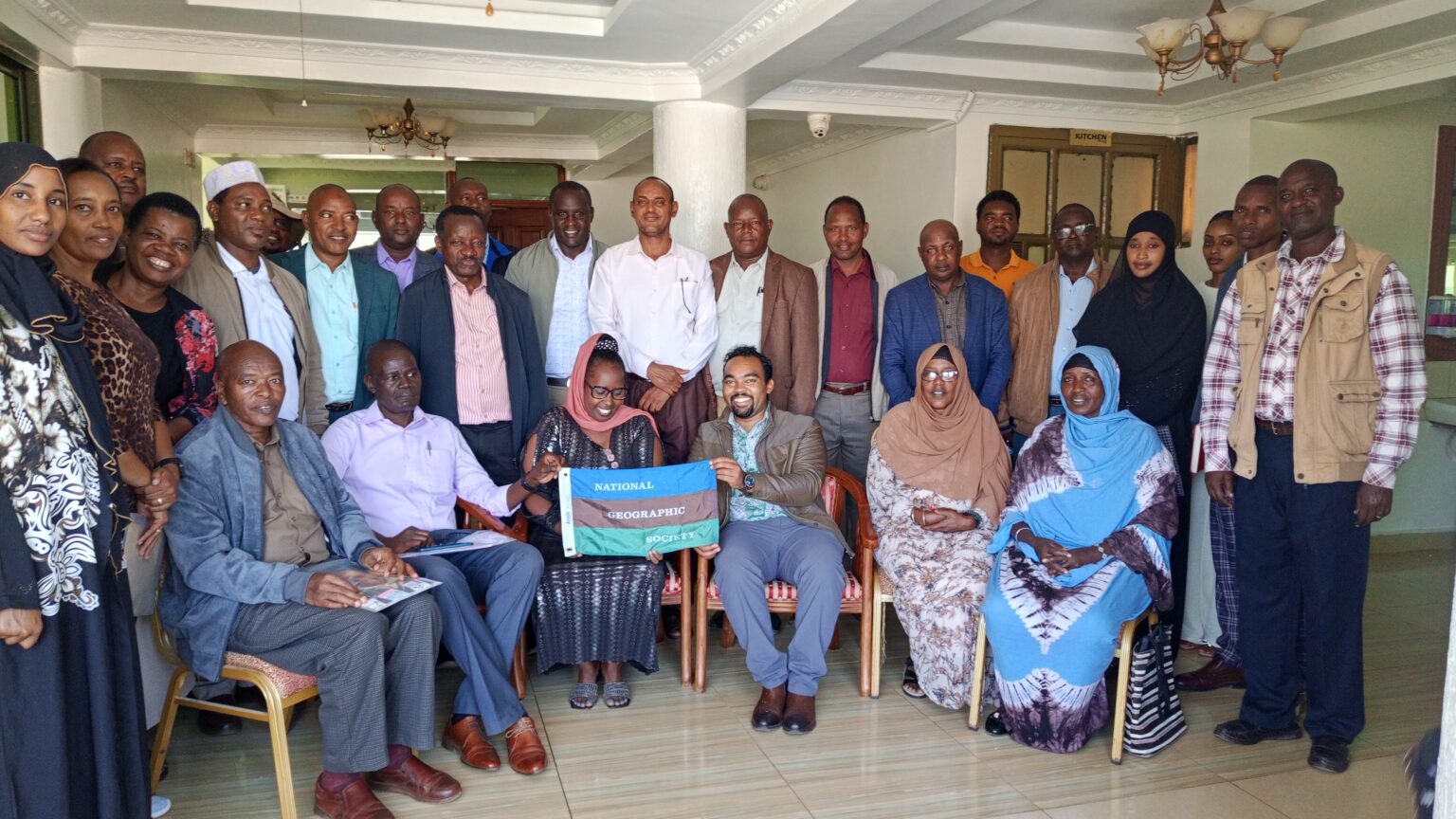
Bringing together 15 educators alongside staff from the Kenya Wildlife Service and the County Government of Marsabit, the workshop commenced with a presentation from WCC. They outlined the steps taken thus far, shared the findings from their research, and showcased digital resources and tools designed to foster active learner engagement through environmental projects.
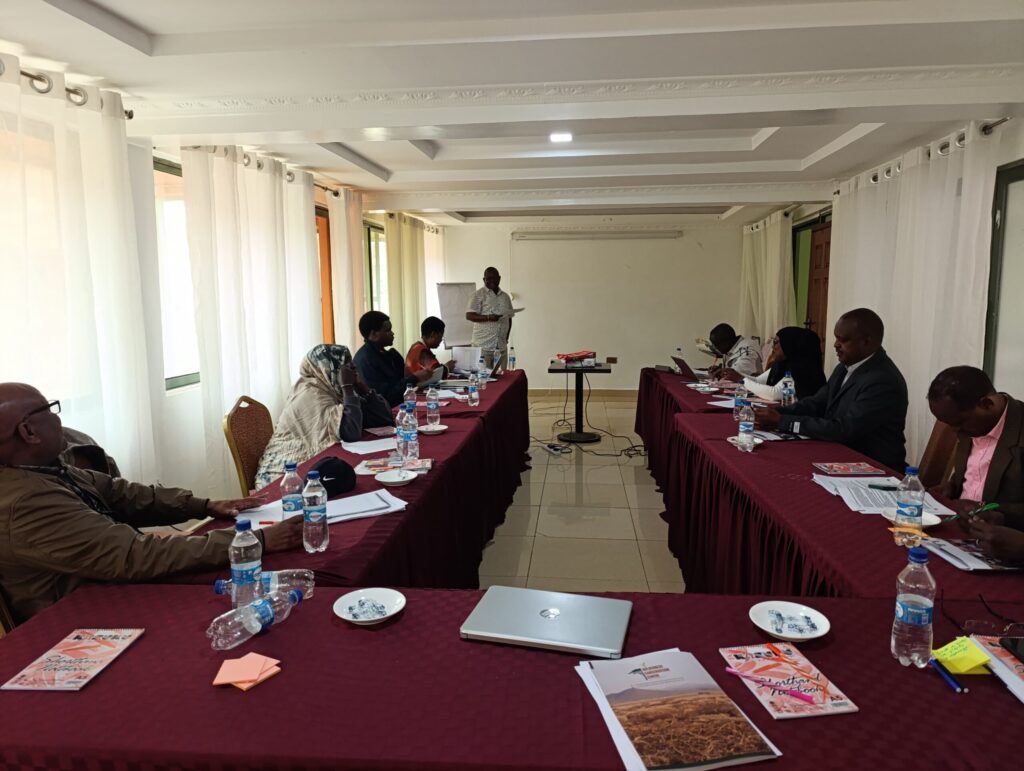
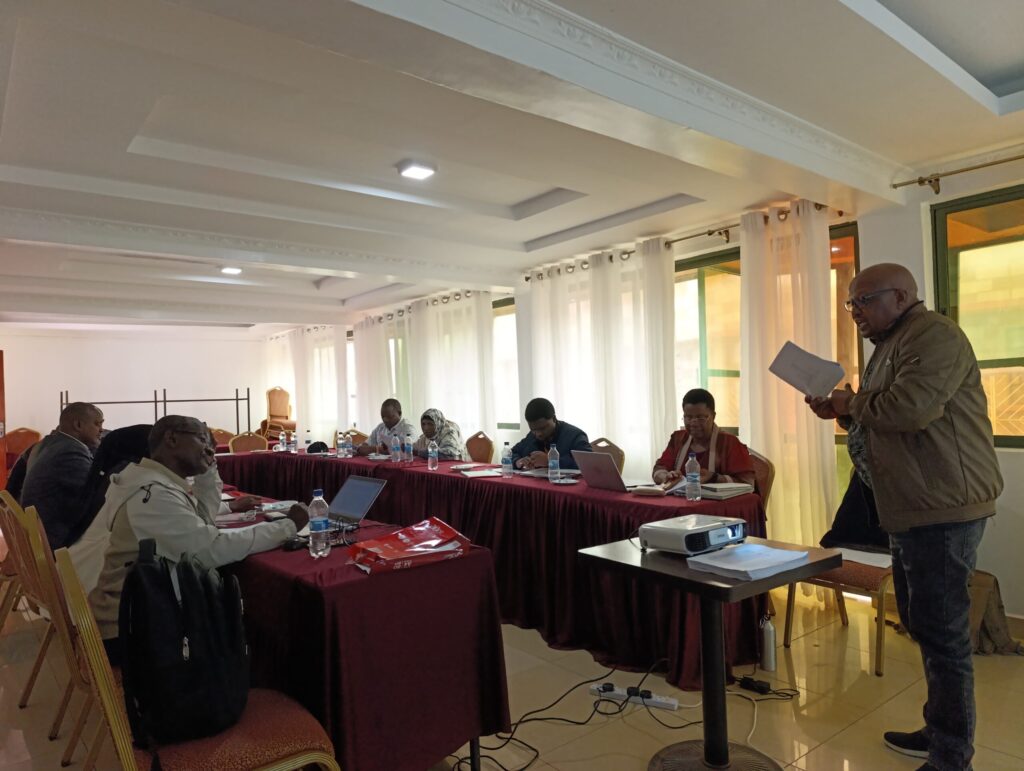
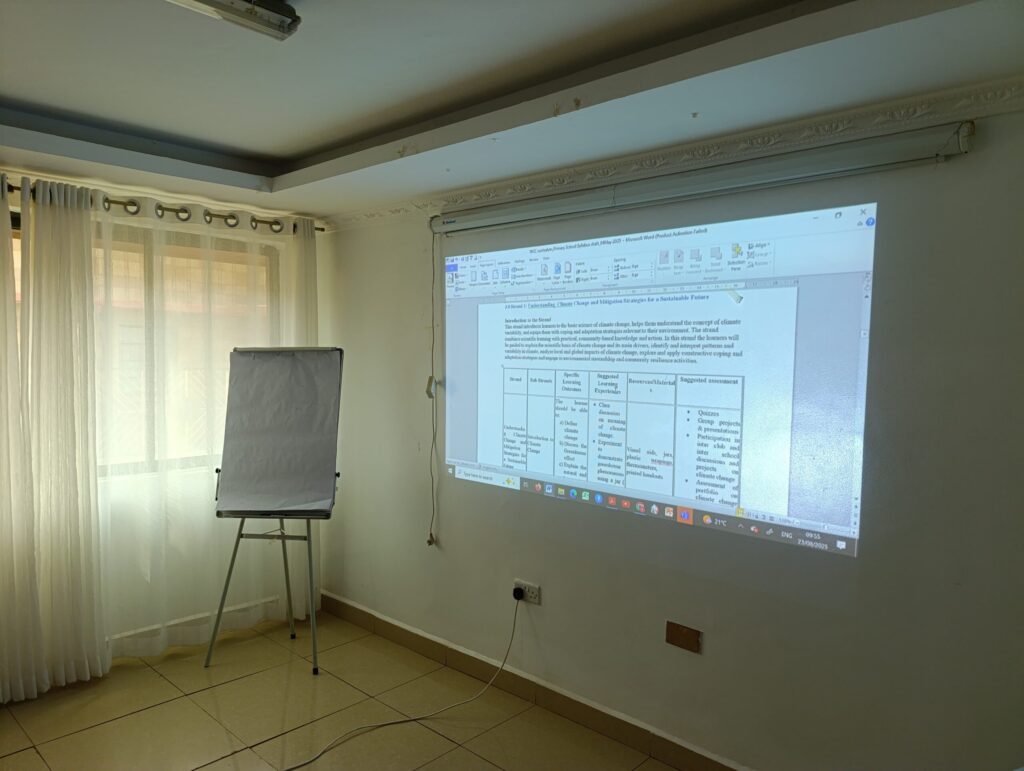
Participants evaluated the curriculum using key validation criteria, focusing on essential metrics such as:
- Rationale for the curriculum
- Clearly defined target population
- General and specific learning outcomes
- Content to be covered
- Promotion of national values
- Incorporation of pertinent and emerging issues
- Learning experiences
- Resources for implementing the learning experiences
- Language and editorial quality
- Implementation strategies
- Assessment, evaluation, and certification
- Overall editorial quality, including grammar and spelling
These criteria provided a comprehensive framework to assess whether the curriculum met its learning objectives, addressed contextual needs, and promised effectiveness and sustainability. By the end of the workshop, stakeholders filed their feedback and collectively agreed to validate the curriculum for piloting and full rollout in select schools throughout Marsabit County.
This collaborative effort marks a significant step toward enriching climate literacy and fostering environmental stewardship among the region’s youth, creating a brighter, more sustainable future for all.
END.