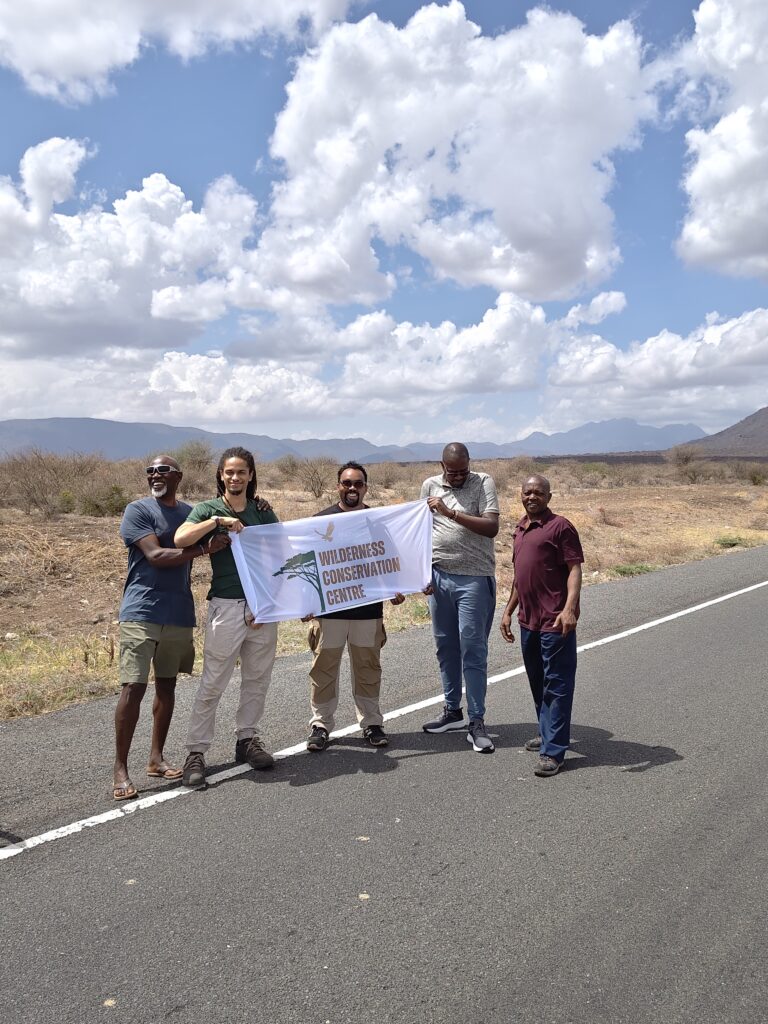
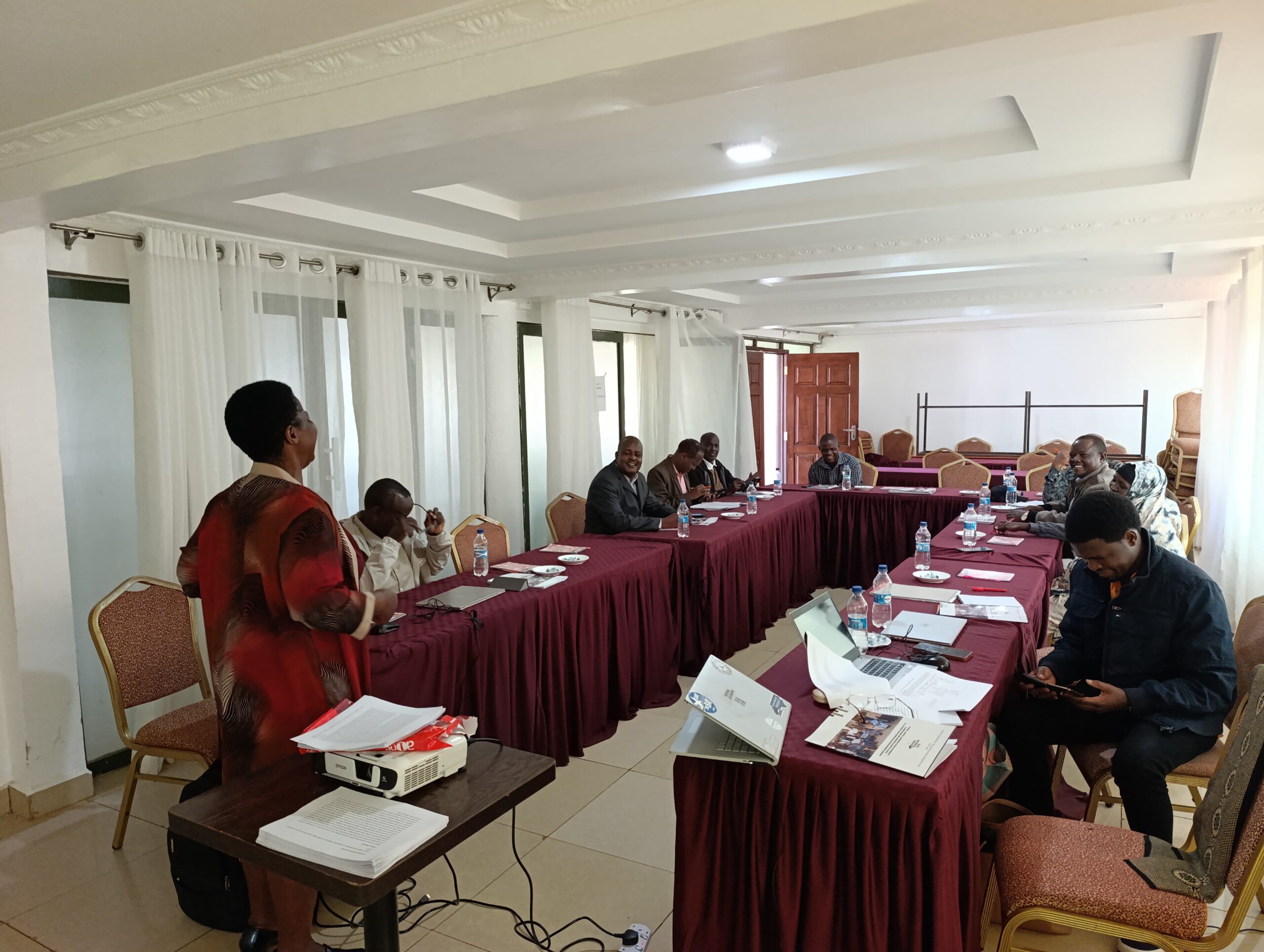
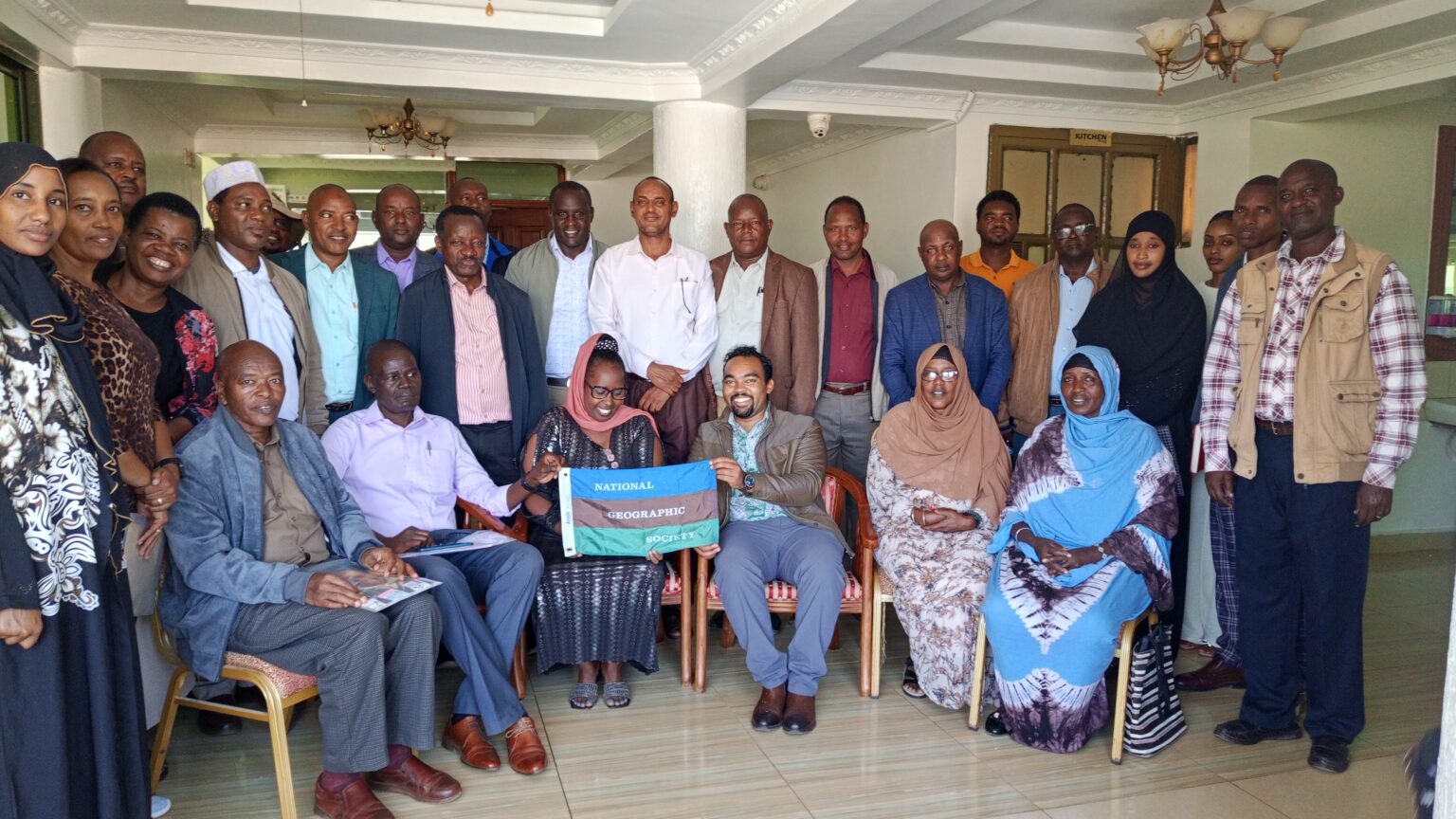
Understanding the realities schools face on the ground is the first step toward creating meaningful, lasting impact. The Wilderness Conservation Centre conducted a comprehensive school mapping exercise in January across Marsabit County, aimed at capturing a clearer, more accurate picture of the schools we serve, so we may support them through relevant and well-designed interventions.
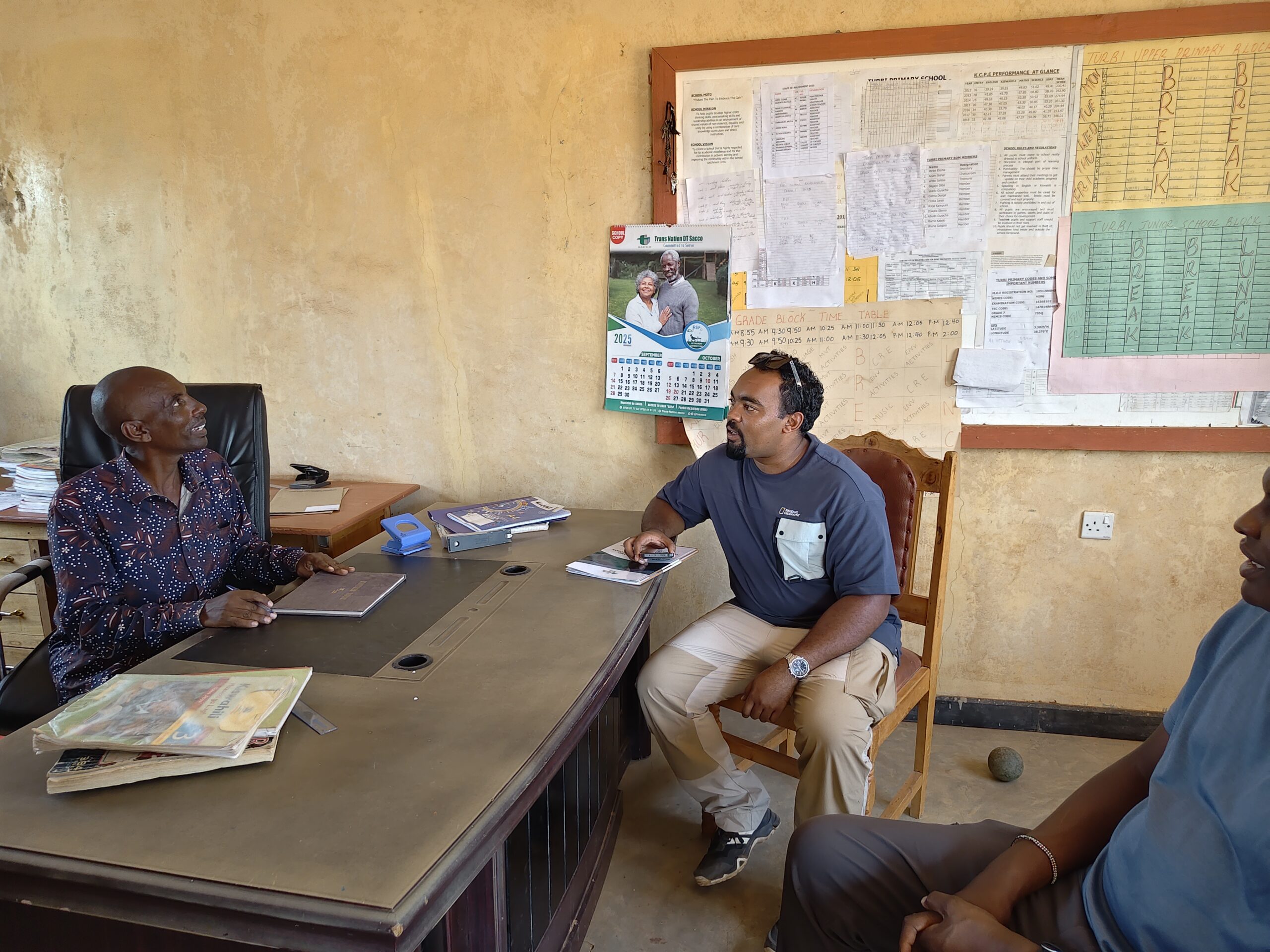
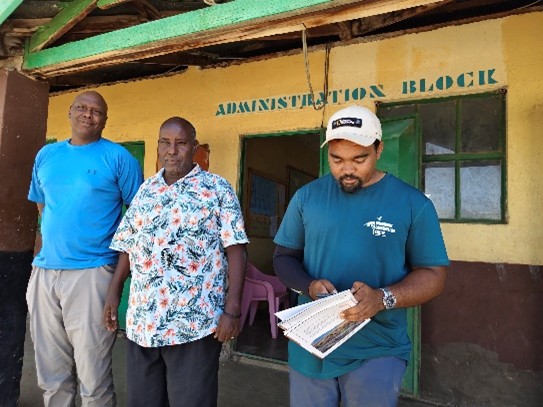
This exercise brought our team directly into school communities, where we engaged with the headteachers and gathered key information such as student enrollment and numbers, school clubs, and priority needs. These on-site visits were more than collecting data. They were about listening, connecting, and laying the groundwork for stronger, more responsive partnerships.
Why Does This Matter?
Accurate, up-to-date information allows us to plan effectively and design programs that respond to real challenges. It ensures that the curricula and teachers’ guides being developed are not created in isolation, but are grounded in the lived realities of the schools they are meant to serve.
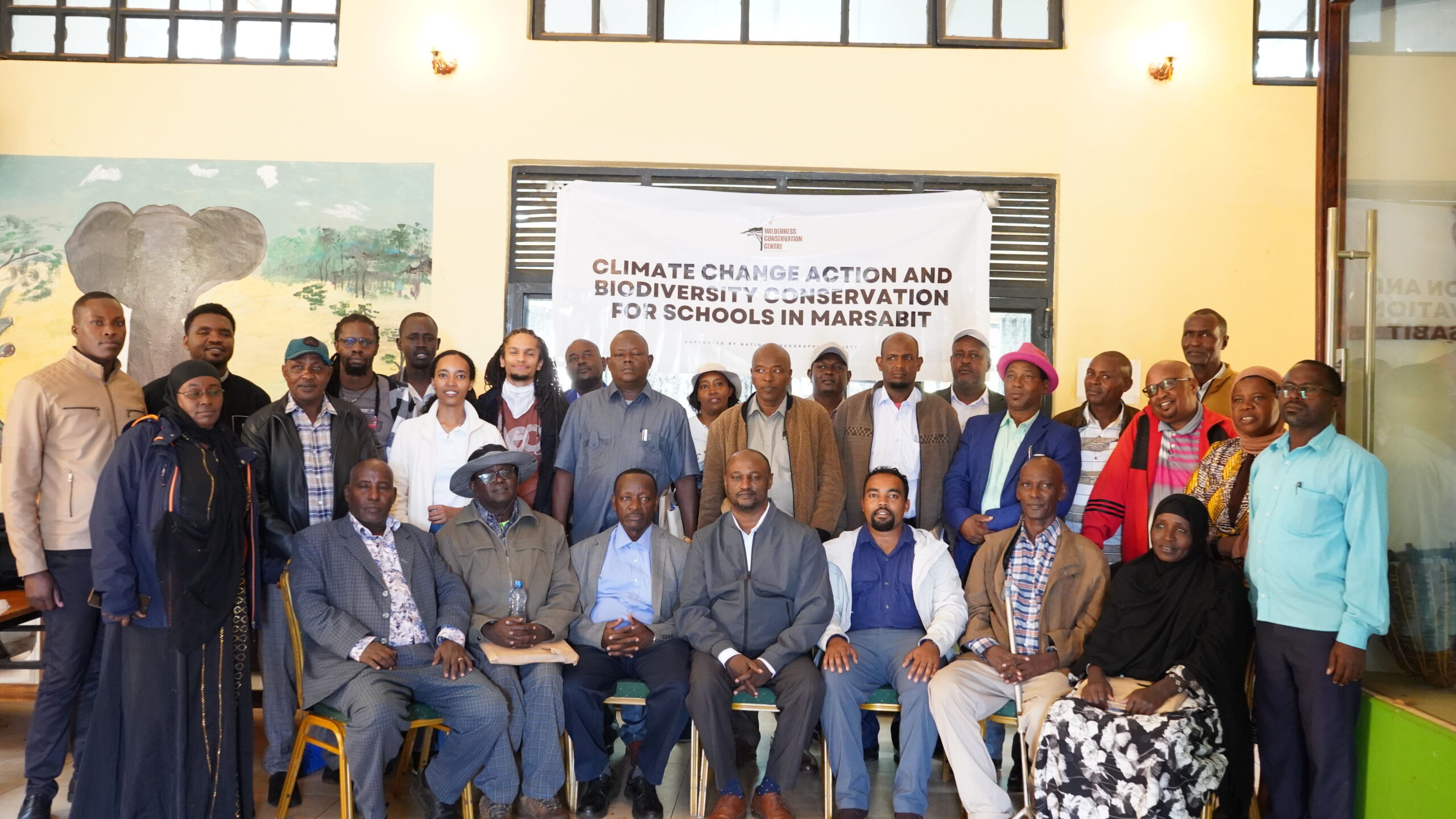
The insights from this exercise will also guide the next phase of our work: bringing schools, stakeholders and consultants together for the Climate Change Action and Biodiversity Conservation for Schools in Marsabit launch. Through this engagement, participating schools will have the opportunity to interact with the new materials, share experiences, and strengthen their ability to deliver impactful learning.
This mapping exercise is more than a data collection activity—it is a commitment to intentional, informed action. By taking the time to understand schools better, we are equipped to support educators, empower learners, and drive sustainable change within school communities.
As we move forward, we remain dedicated to working hand in hand with schools to ensure that every curriculum developed, every guide created, and every intervention implemented contributes meaningfully to the growth and success of students.