From Mapping to Impact:
Launching the Curricula and Teachers’ Guide
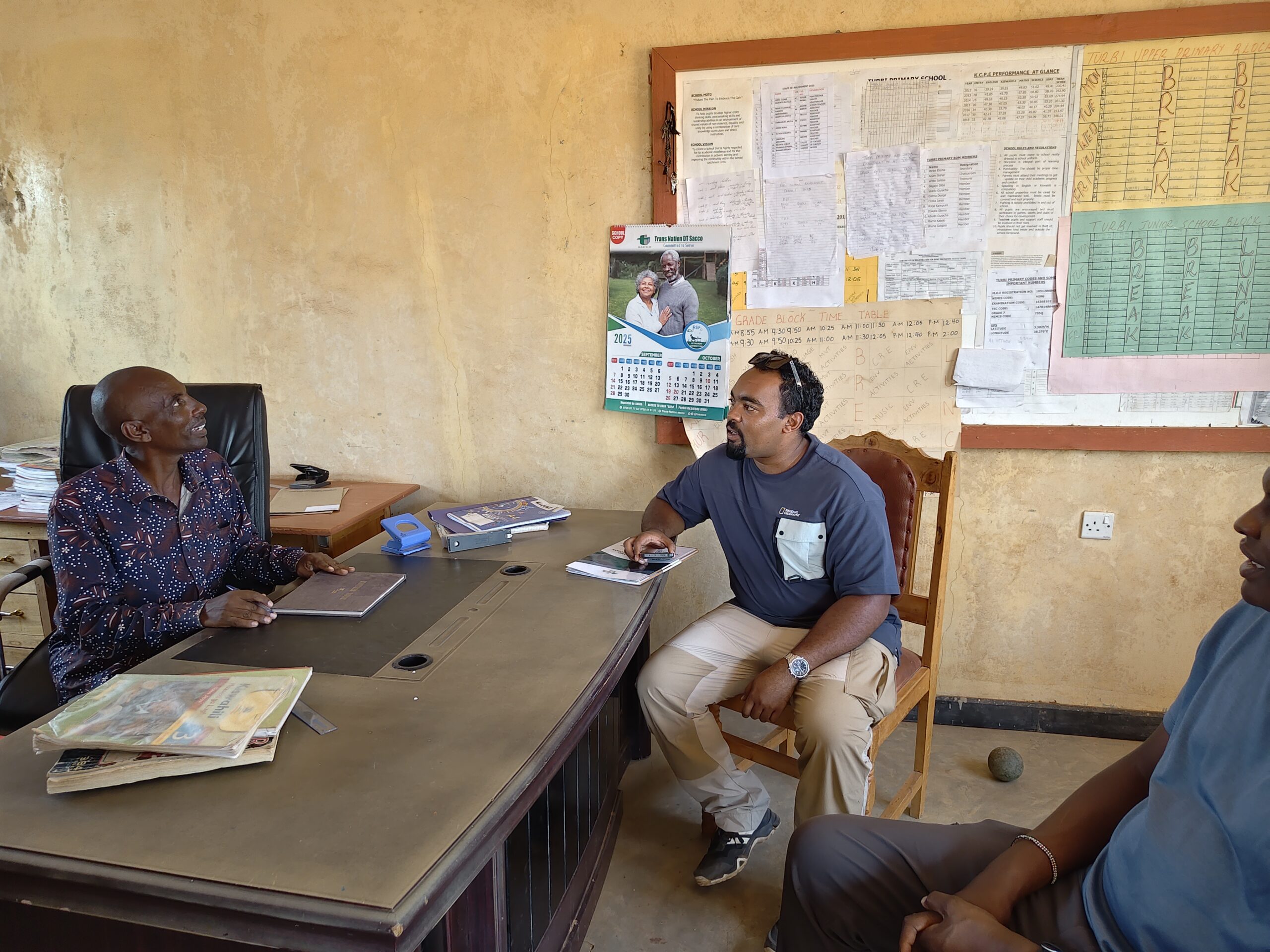
What began as a school mapping exercise has now come full circle with the successful launch of the curriculum and teachers’ guide for Upper Primary and Junior Secondary Schools in Marsabit. This marks a significant milestone in our journey toward strengthening education and environmental awareness in schools.
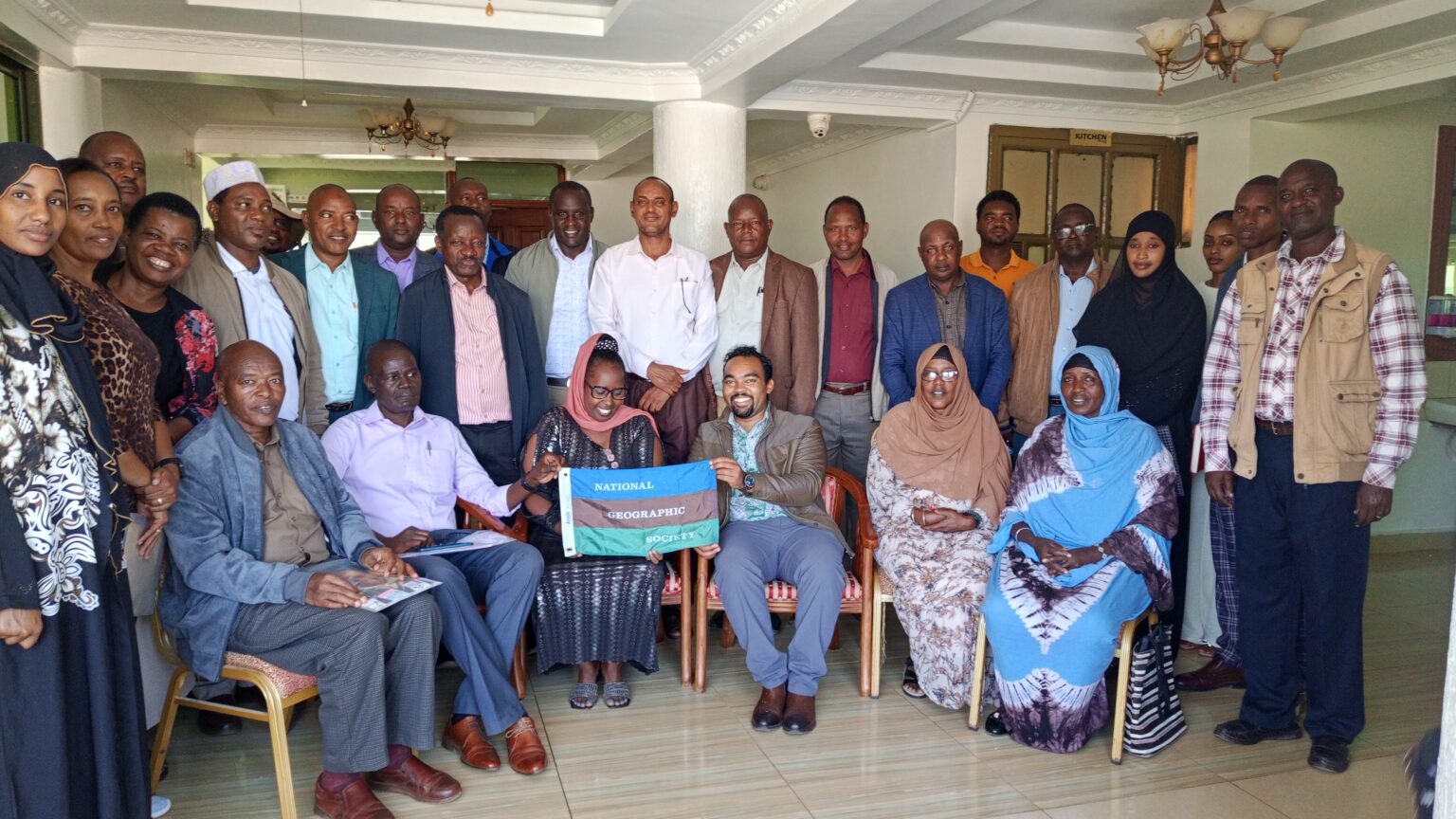
The launch event brought together a diverse and impactful group of participants. In attendance were head teachers from participating schools, along with key stakeholders, including representatives from the Teachers Service Commission, the Ministry of Education, and Kenya Forest Service. Also present were the consultants who played a key role in developing the curriculum and the teachers’ guide, as well as team members from the Wilderness Conservation Centre who supported the process from concept to completion.
The event began with introductions, setting a collaborative and inclusive tone for the day. Bringing together educators, policymakers, and development partners in one space created an opportunity not just for learning, but for connection and shared purpose.
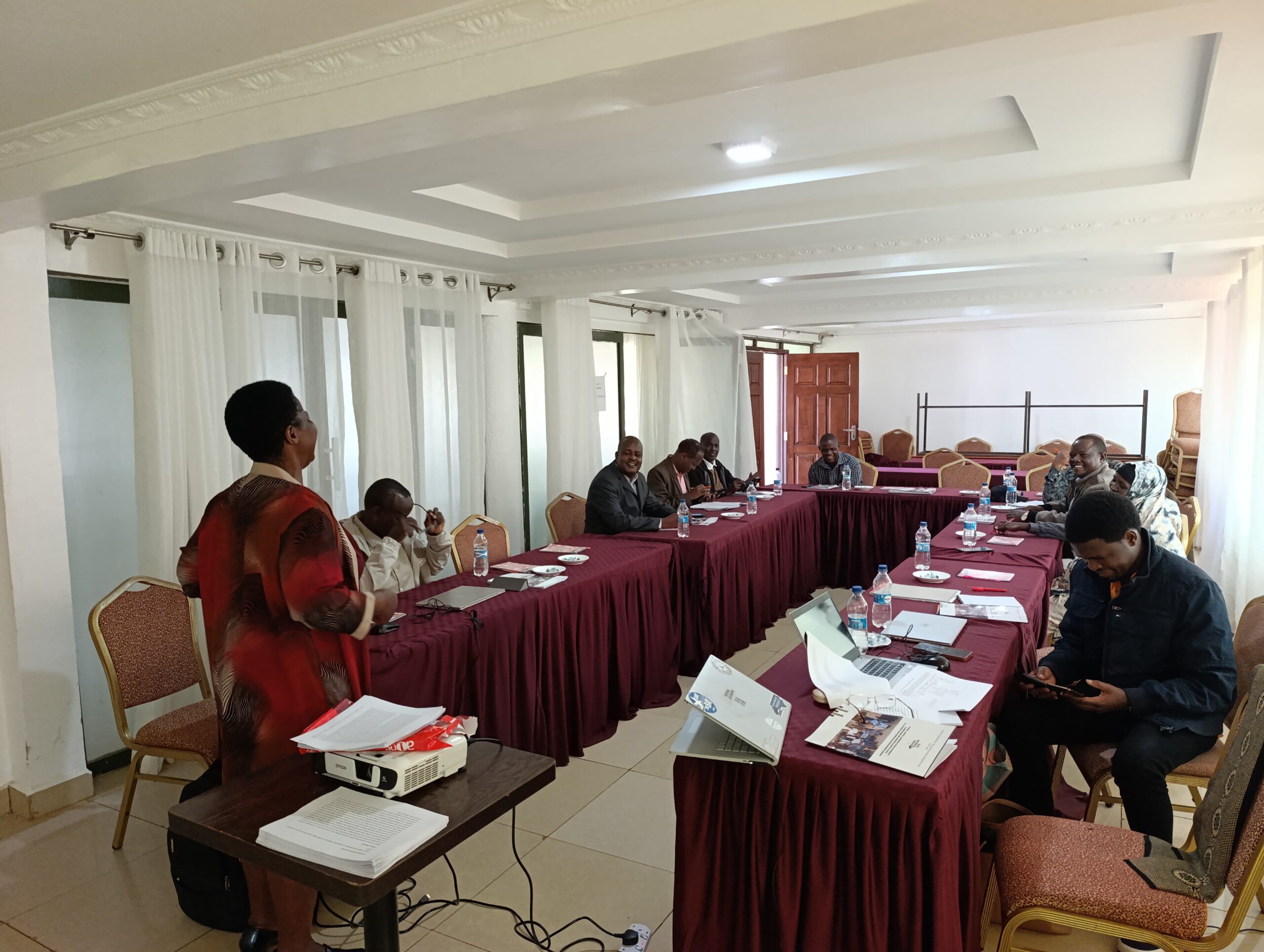
Following this, the consultants took the lead in introducing the newly developed curriculum and teachers’ guide. They walked participants through the structure, content, and intended outcomes of the materials, offering practical guidance on how teachers can effectively engage with and implement them in their respective schools. This session provided valuable clarity and sparked interest among the head teachers, many of whom will be at the forefront of bringing these resources to life in classrooms.
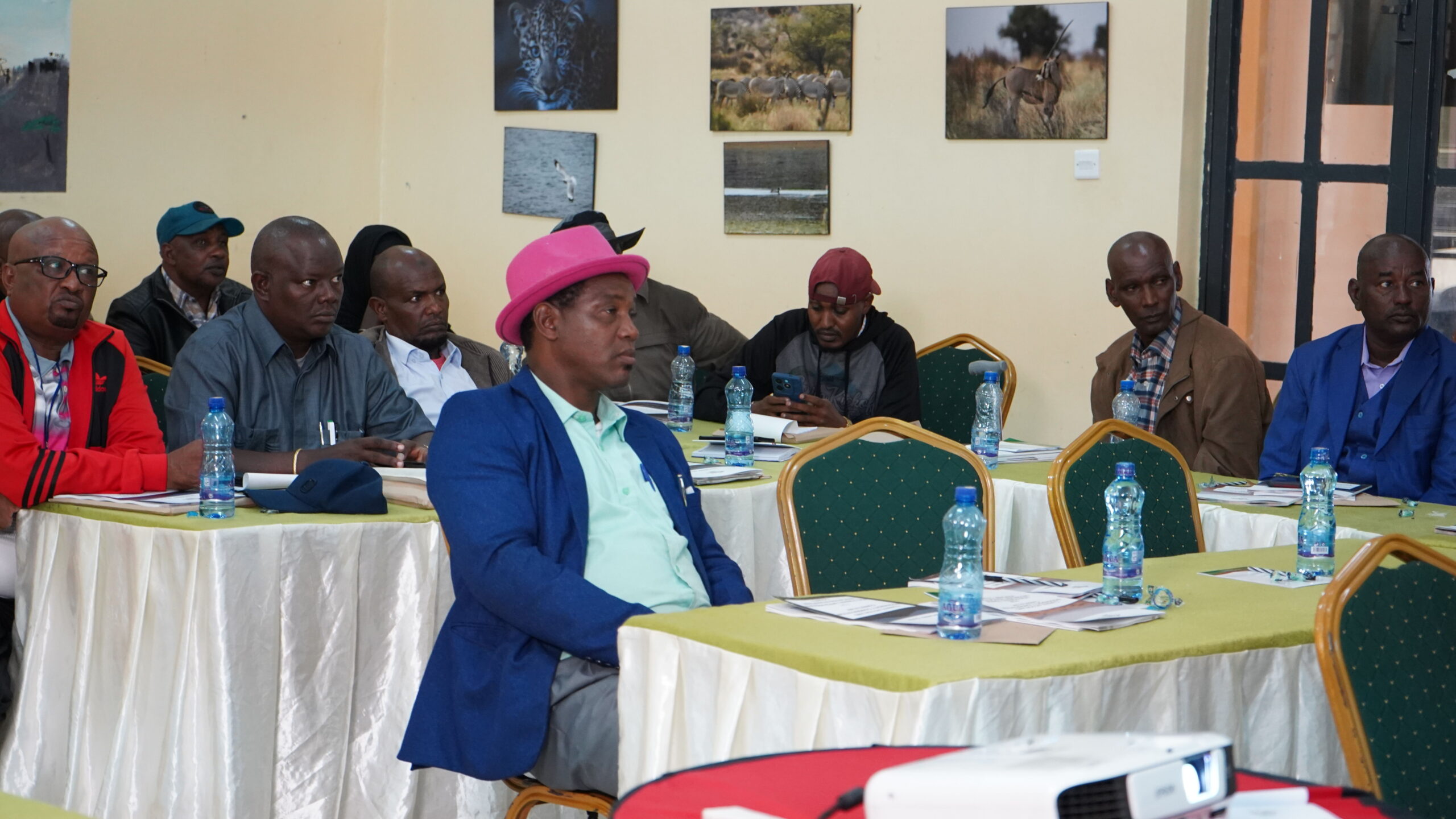
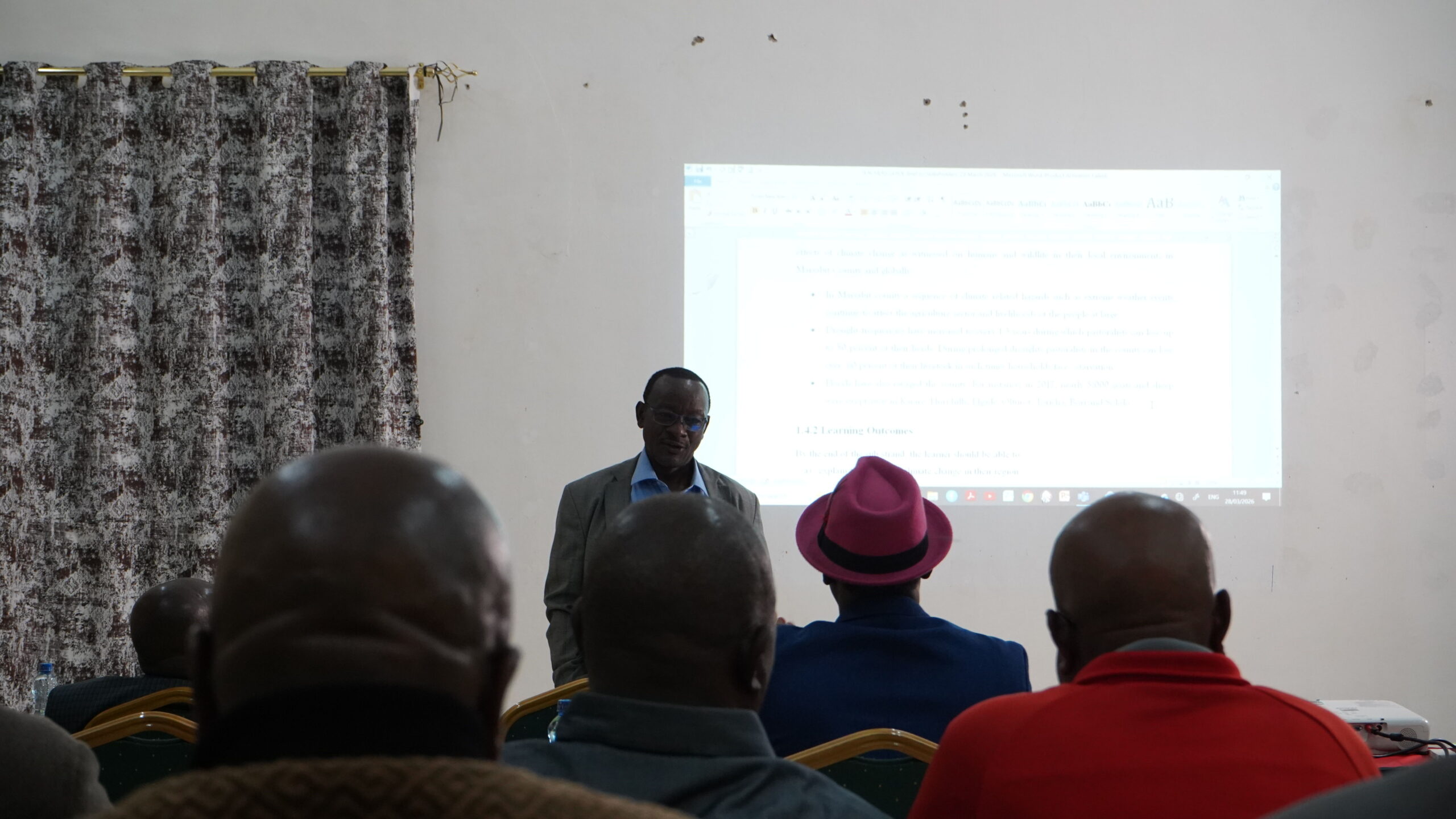
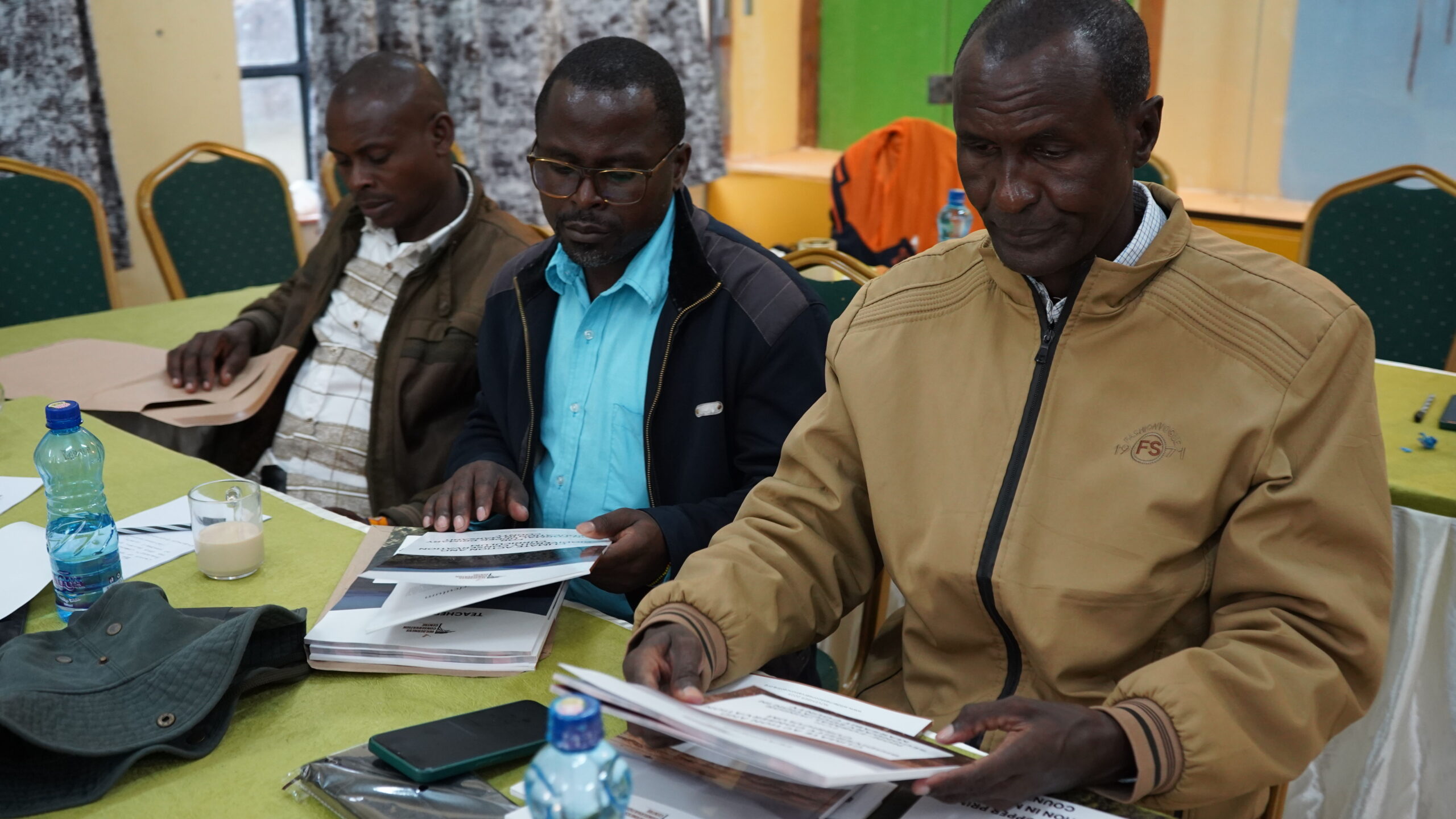
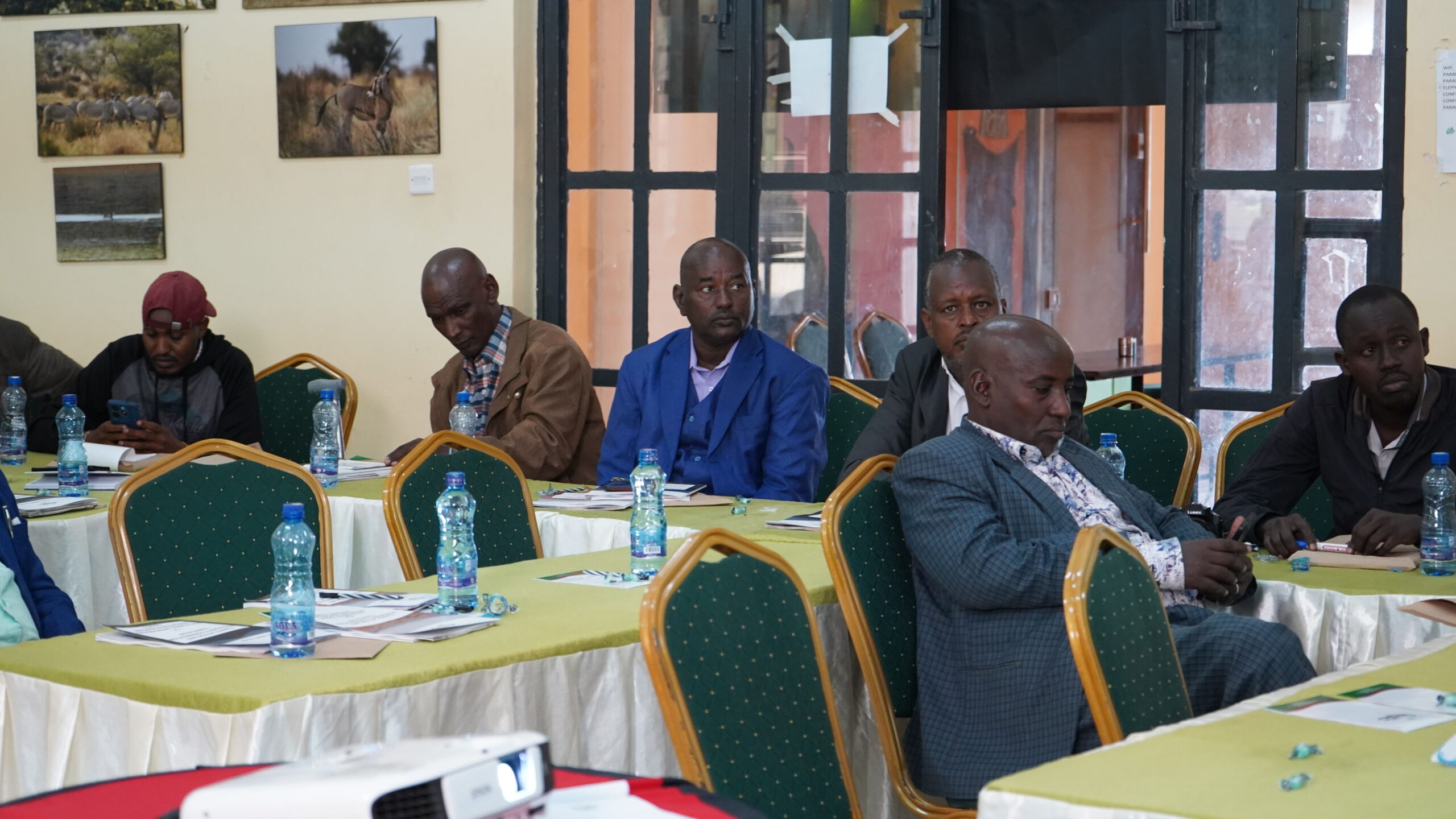
One of the highlights of the event was hearing directly from participants. As one head teacher remarked, “This curriculum is a much-needed step forward for our schools. I am excited to see how it will help us better engage our students and address local environmental issues.”
A lunch break offered time for informal interactions and networking.
The afternoon session shifted into a more interactive format. Head teachers were grouped into smaller teams of three, creating space for deeper discussions around the practical use of the materials. These breakout sessions encouraged peer learning, feedback, and collaborative thinking on how best to adapt and implement the curriculum within different school contexts.
We extend our sincere appreciation to National Geographic Society for their generous sponsorship, which made this initiative and the successful launch possible. Their support has been instrumental in bringing this vision to life and advancing impactful learning within school communities.
This launch represents a collective effort to improve learning experiences, equip teachers with relevant resources, and ultimately benefit students through more informed and engaging education.