Story By: Mario Kuraki (Communication Officer, Wilderness Conservation Centre) Marsabit, Kenya.
Young people are disproportionately affected by the climate crisis. The voices of young Kenyans are often unheard in public discussions and political arena where decisions on climate change impacts, adaptation and mitigation are deliberated.
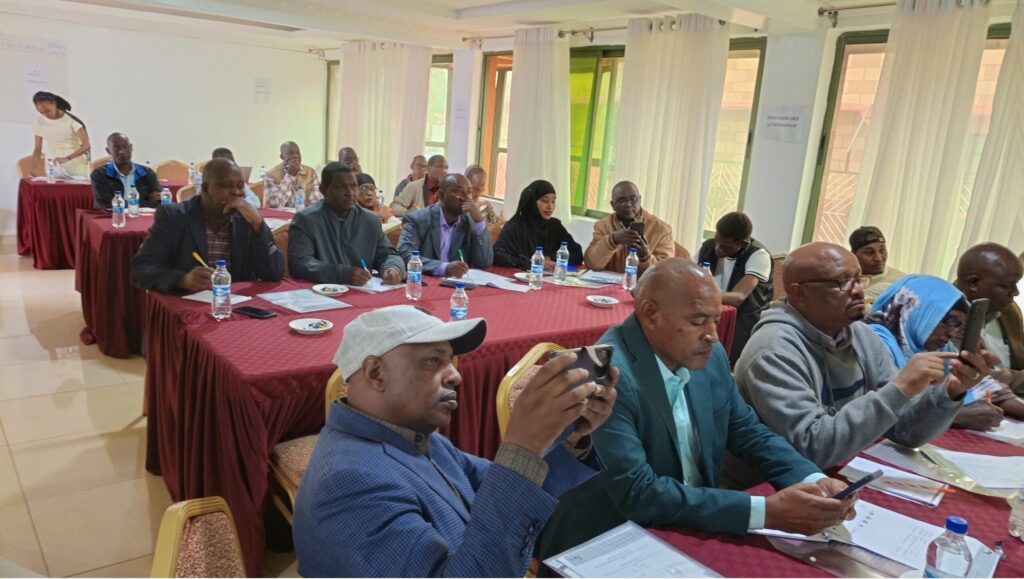
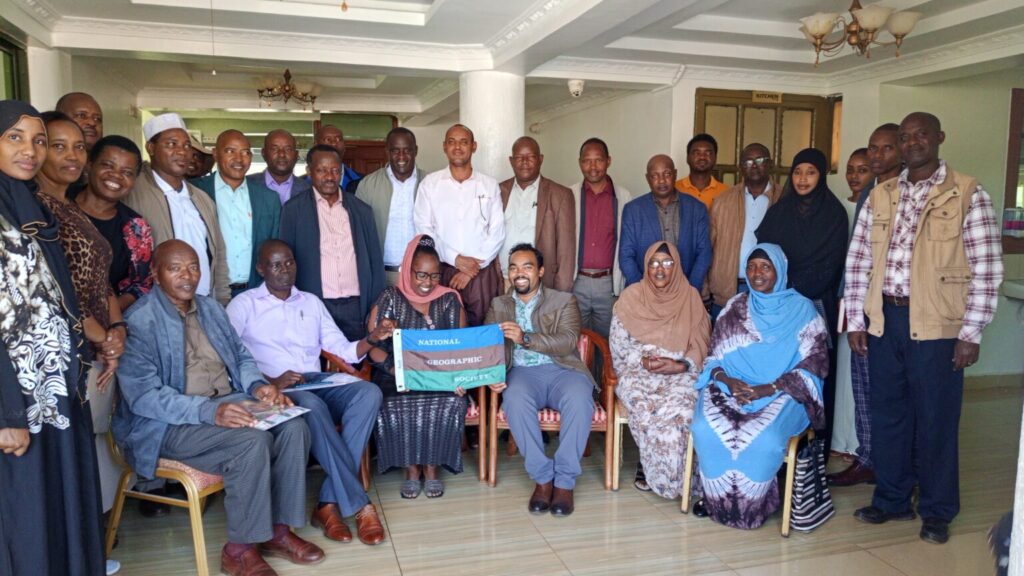
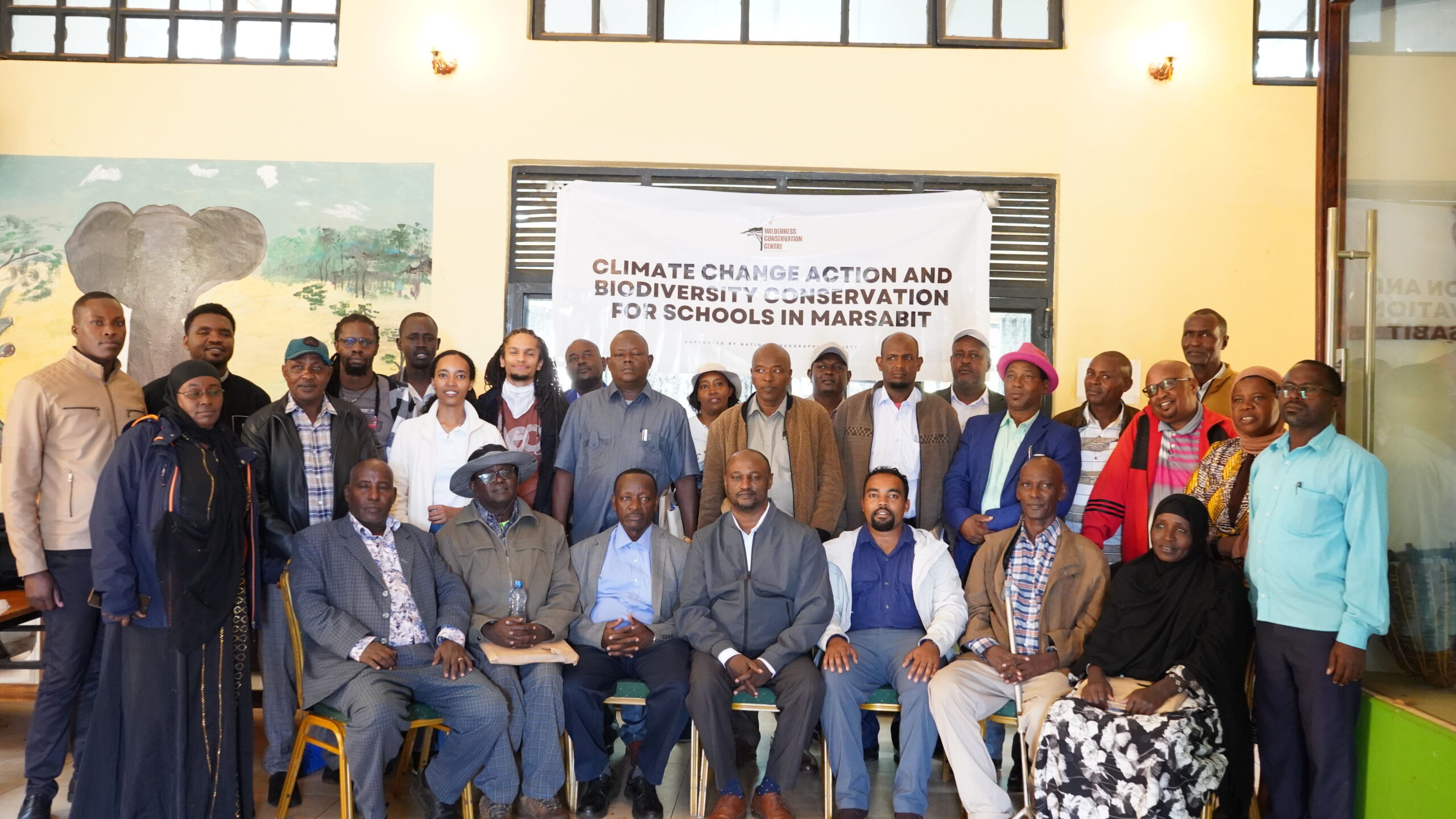
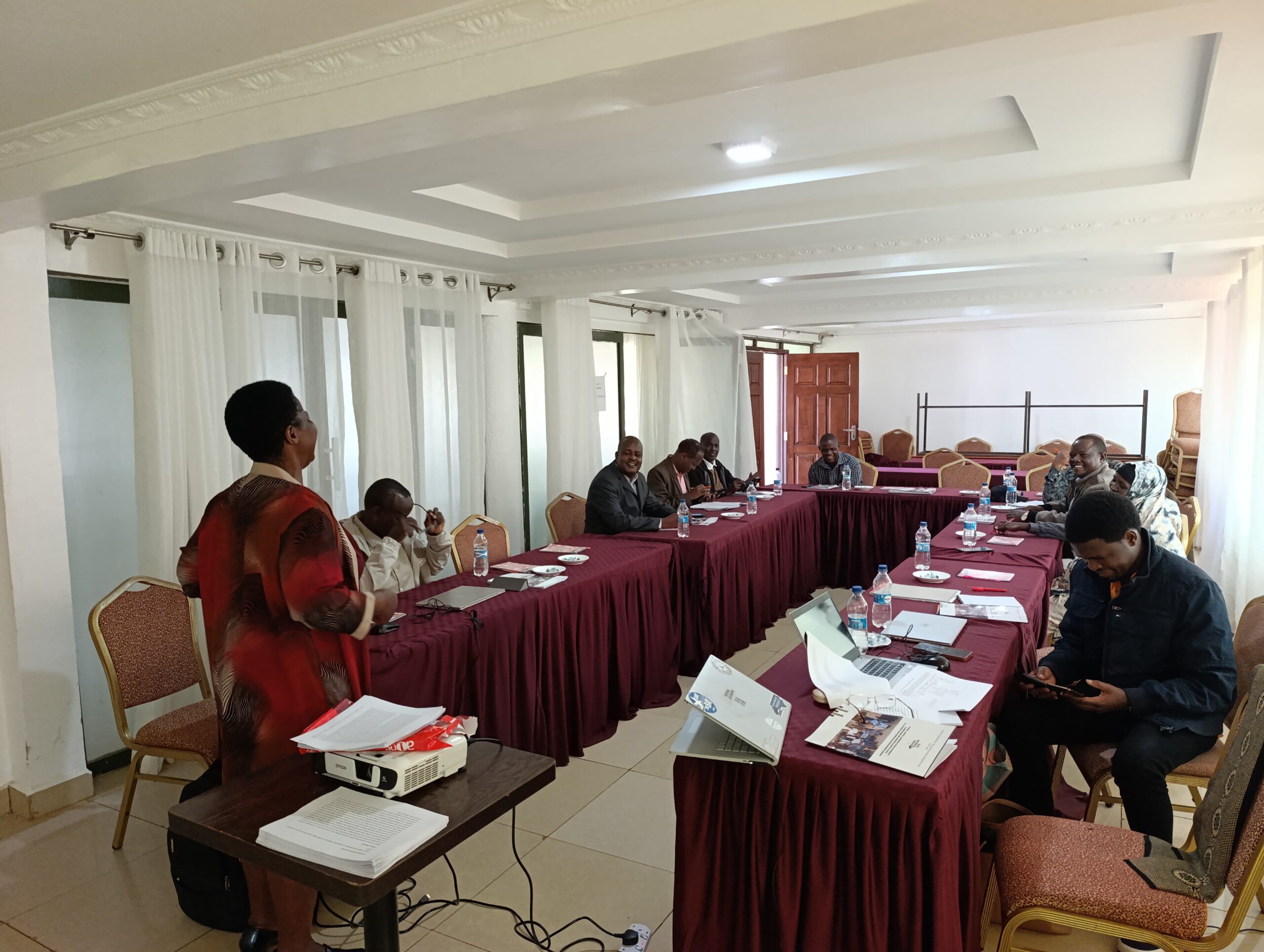
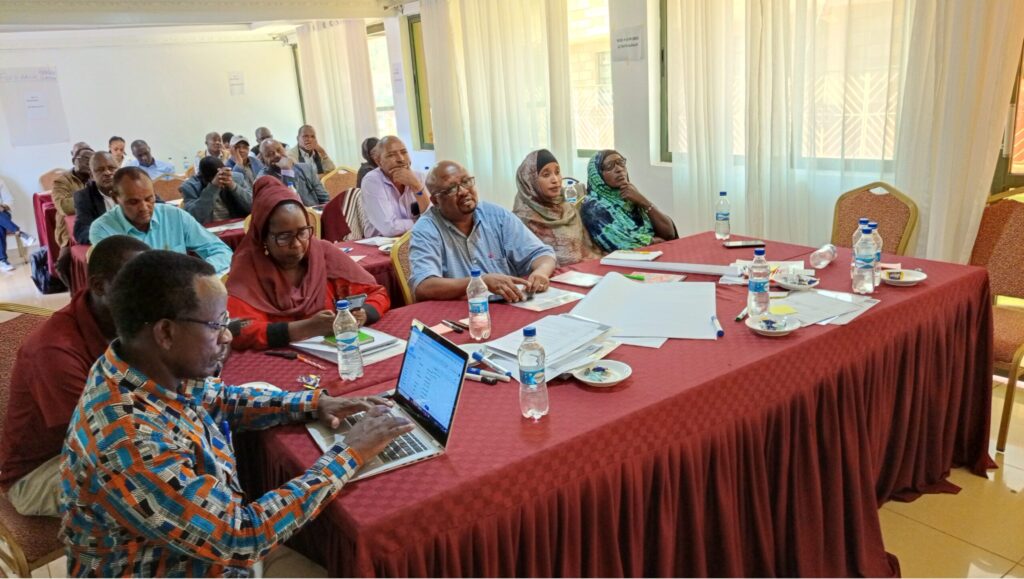
Picture: The Stakeholders during the forum held at Silvia In hotel in Marsabit courtesy of Wilderness Conservation Centre.
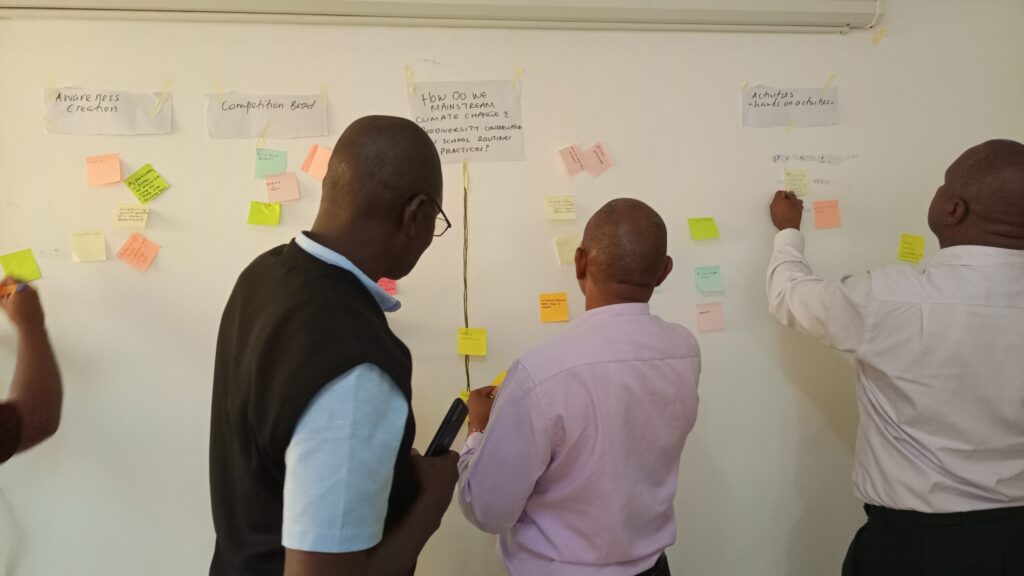
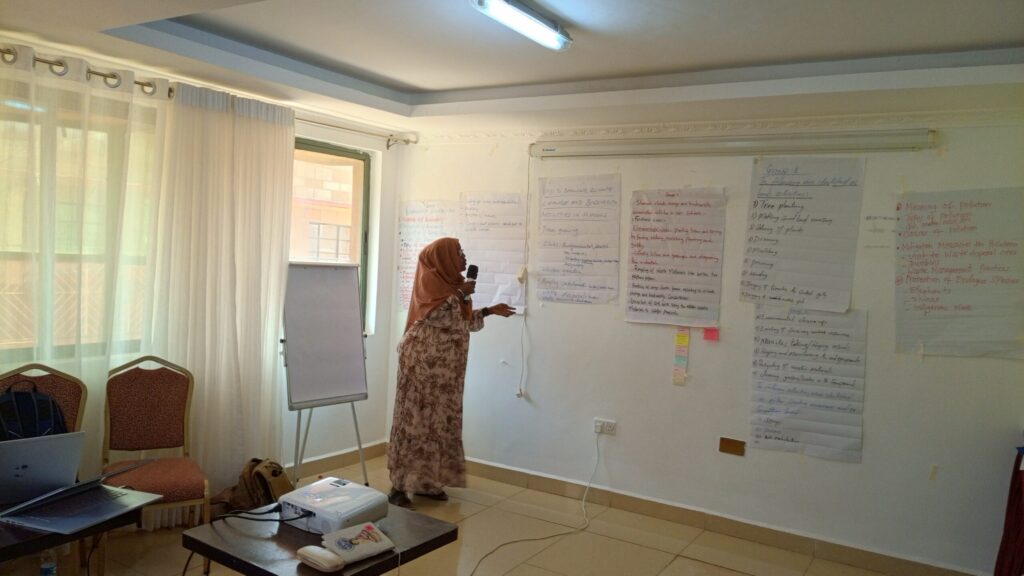
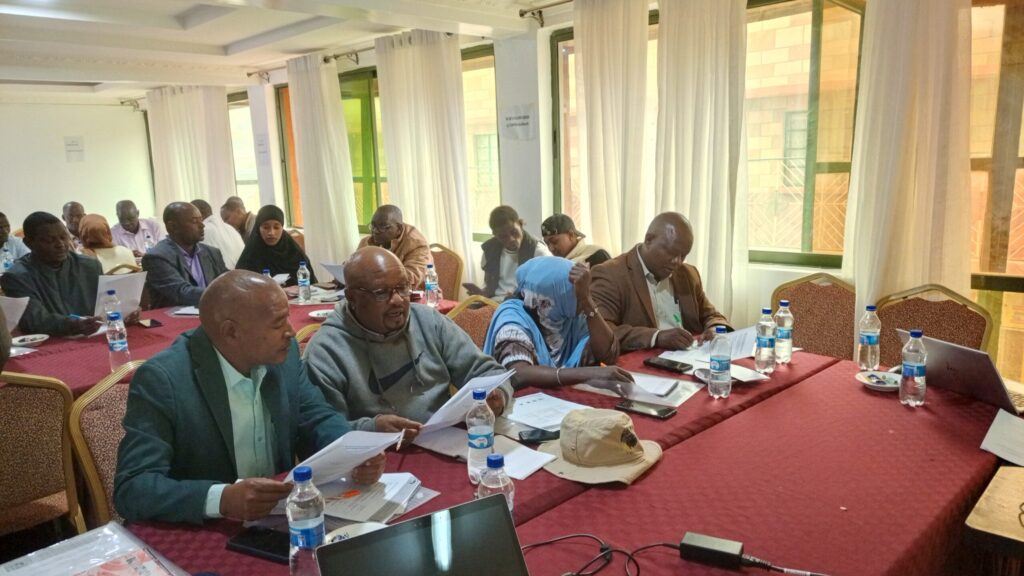
Wilderness Conservation Centre held a consultative stakeholders forum that brought together educator’s, sciencentist and policy makers drown from all corners of Marsabit County to deliberate on the development of Climate Change and Biodiversity curriculum for learners in the region.
Speaking during the three days forum that was held at Silvia In hotel, The founder of Wilderness Conservation Centre Alberto Borges emphasized that Marsabit mountain is the only important water towers that is a key lifeline for the residents of Mount Marsabit and the nomadic communities down in the lowlands and mostly those around Chalbi desert, And it’s high time we start climate change education in schools.

The best way to reach out to these groups of young people is to consider their thoughts is at the learning institutions especially primary and secondary schools for climate change discourse, Say’s Alberto Borges.
In Marsabit, Kenya, many schools mostly located at arid and semi-arids region of the country,The case study of North Horr secondary school just located few kilometres away from Chalbi desert give a hope of the conservation efforts after Wilderness Conservation Centre donated grass seed balls and later after some months of drought in the region, Surprisingly shortly after the rainfall a unique species of grass pasture sprouts in the school compound turning the institution as the only source of grass pasture harvest as narrated by the school headteacher Mr.Stephen Ali.
The drought was very severe, and everyone around North Horr is coming to our institution and asking for permission to harvest the grass within our school compound,I thought this was miracle in the desert, It was then I realize that we can start practicing various methods of environmental conservation to reduce impacts of climate change,I thank Alberto for donating the grass seed balls to our institution and we’re looking forward to work with you throughout this journey, Say’s Mr Stephen Ali.
The objective of the stakeholders meeting was to emphasizes climate change mainstreaming in all sectors to build adaptive capacity and resilience. Incorporating climate change into education curricula is therefore a necessity. More so, Developing a climate change and biodiversity conservation curriculum aimed at non formal and informal learning.
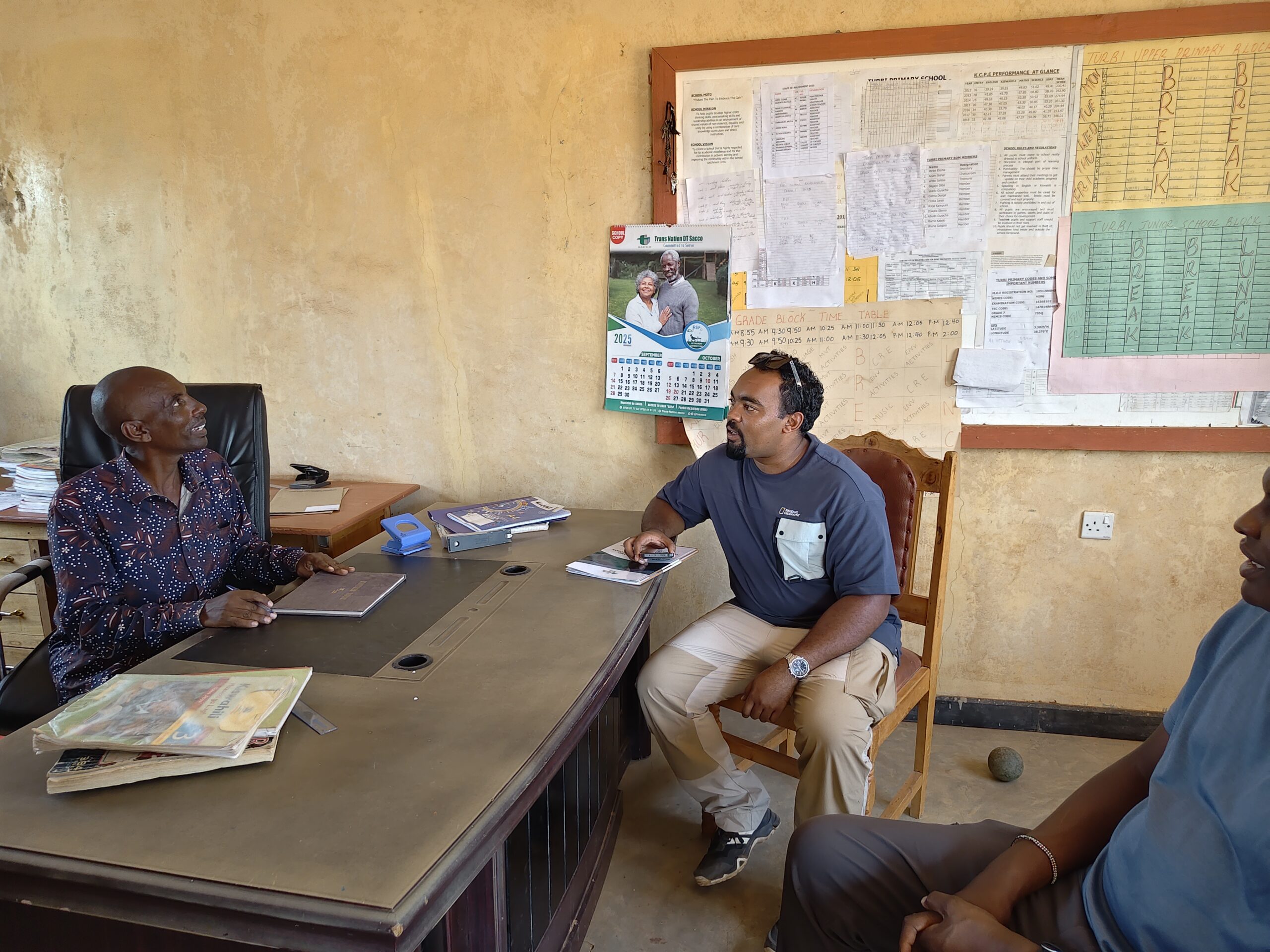
The first phase of the project focus on conducting survey and focus groups discussion in 12 schools targeted in Marsabit county to get the insight’s of developing climate change and biodiversity curriculum for students and teachers.
To this end, the conservation organisations and stakeholders have been encouraged to collaborate with the government to incorporate climate action to learning institutions.
Prioritizing Climate Change Education
The stakeholders forum also brought on board Marsabit County Department of Environment and natural resources led by Pauline Marleni, Chief officer incharge of the department, Inheritance speech Mrs Marleni praised Wilderness Conservation centre for coming in the right time to Marsabit County since climate change is greatly affecting Mount Marsabit and She assured the participants that the county government will work closely with Wilderness Conservation Centre to realise the objective of the project while in the process of developing the climate change and biodiversity education curriculum for learners in the region.
Integrating climate change into the education system, it must focus on multiple disciplines, including agriculture, environmental science, economics and policy to foster holistic understanding. To achieve this, teacher training curricula must also integrate climate change, Pauline emphasizes.
The team of stakeholders urged teachers to come up with modalities that create environmental champions among school-going children to encourage them on the importance of growing and nurturing planted trees.
Young people are best placed in realizing this mission and vision, since it is important to cultivate the culture of environmental conservation and management at a young age. Nurturing the young generation with skills of combating climate change impacts, may open new ideas and approaches more likely to generate innovative solutions to problems.
Nevertheless, key education actors admit that since Kenya is a signatory to the Paris Agreement, educating more people about climate change instills a sense of global responsibility. They unanimously agree teachers are Kenyas sure bet to achieve the goals. Their main concern, even with integration of climate change into education curricula, the Kenyan government must consistently pay teachers well, train and let them equip the next generation with knowledge and skills needed to mitigate and adapt to climate change.
Teachers and learners Essential for Attaining Climate Action
Teachers are key in achieving these goals because they actively participate in curriculum development, especially at the Kenya Institute of Curriculum Development. They can use extracurricular activities such as drama and music festivals, besides environmental clubs and science contests to build capacity and encourage innovative climate solutions.
The initiative by wilderness Conservation Centre will develop an informative, useful, and locally contextualized resource pack, which includes practical and playful activities like growing food in school. This resource pack purposefully includes relevant school trips to help pupils understand the reality of climate change impacts in parts of Kenya.
Furthermore, the activities are problem-solving related to local climate impacts. It helps in teaching with urgent responsiveness needed as climate disruptions worsen.
We will ensure that the content covers the drivers of climate change, so that pupils and teachers understand the root causes, impacts, challenges and possible mitigation or adaptive aspects both locally and global contexts, Say’s Dr Everlyn Wemali.
Approaches in Combating Climate Change
The schools have been promoting eco-friendly practices through various initiatives such as in-school recycling of organic waste into fertilizer, declaring school compounds as plastic-free zones, growing trees ones age plus class population, water management, energy conservation by increased use of renewable energy, protecting nature through using energy saving stoves at school kitchens.
Others include; walk-to-and-fro school campaigns, encourage bike-cycling among students and teachers, creating awareness through music, debate, drama, artwork messaging on walls, termly community clean-ups, participating in public fora to educate community and pupils invented initiatives.
Some schools in urban counties in Kenya have their food scraps collected to be composted rather than taken directly to the landfill. The compost is used to enrich the soil of school gardens and parks. Food scrap composting has been an effective method of reducing the amount of food waste that ends up in landfills emitting methane- greenhouse gas.
As a result, it has improved waste disposal from collection, sorting, transportation for treatment to recycling firms that transform it for other re-use. The money received from waste papers assists in paying electricity bills but currently the school is minimizing paperwork with the introduction of a computer laboratory.
In an effort to reduce environmental pollution and deforestation, the students are encouraged to be innovative in conversion of waste papers and sawdust into briquettes. It is pollution free and briquettes energy lasts longer when cooking our meals as revealed by the teacher’s who attendes the consultative forum.
Through the development of this curriculum will provide school and learners with opportunities to be as creative and innovative as possible for competitive platforms such debates. It elevates their voices on matters of climate change and the school has been recognized for solutions-based ideas on environmental conservation.